Table of contents
Digital marketing is rapidly transforming how luxury wine reaches discerning consumers around the globe. With evolving technologies and shifting consumer behaviors, the strategies once reserved for mass-market products are now being adapted to the exclusive world of fine wines. Explore how digital innovation is reshaping perceptions, access, and the very experience of luxury wine in the modern era.
Redefining exclusivity online
Digital marketing is transforming the luxury wine market by introducing a sophisticated layer of digital exclusivity that mirrors, and even elevates, the traditional aura of scarcity and privilege. Through advanced customer segmentation, brands can target premium wine consumers with tailored experiences, ensuring that exclusivity is not lost in the online transition. Gated content—such as members-only web pages, exclusive newsletters, or invitation-only access to rare vintages—cultivates a sense of belonging among select audiences. Limited-edition digital campaigns, often leveraging countdown timers or exclusive pre-sale alerts, strategically heighten anticipation, reinforcing the scarcity that underpins the allure of fine wines.
Personalized wine marketing delivers an online wine experience that feels bespoke, maintaining the intimate connection expected of luxury brands. Private virtual tastings, hosted for small groups or even individuals, offer interactive and immersive encounters, giving customers the opportunity to directly engage with winemakers or sommeliers. This approach not only preserves the sense of privilege but also enhances perceived value by offering access and insights unavailable to the general public. In this way, digital exclusivity in the luxury wine market shapes consumer perception, ensuring that rarity and personalization remain central, even as the industry embraces new digital frontiers.
Expanding global reach
Digital wine marketing empowers luxury wine producers to enter the global wine market while preserving their exclusive brand reputation. Through sophisticated multilingual e-commerce platforms, luxury wine consumers from different countries can seamlessly access and purchase rare vintages. By implementing geo-targeting, producers tailor online wine sales campaigns to specific regions, cultures, and languages, ensuring relevance and resonance with each international wine audience. Targeted international campaigns, including collaborations with local influencers and curated digital events, further enable prestigious wineries to establish personal connections with affluent clientele across continents. Storytelling via online channels, such as immersive website content and virtual vineyard tours, reinforces the unique heritage and craftsmanship behind each bottle. These strategies not only extend luxury brands’ visibility far beyond traditional markets but also break down geographical barriers, making elite labels accessible to discerning buyers worldwide without diluting their aura of exclusivity.
Enhancing customer engagement
Digital marketing is transforming luxury wine marketing by elevating customer engagement through immersive engagement strategies. Brands now frequently deploy interactive wine content, such as guided virtual vineyard tours that allow the premium wine audience to explore scenic estates and production processes without leaving their homes. Sommelier-led webinars and masterclasses present another powerful tool, offering direct access to wine experts who share tasting notes, cellar techniques, and food pairing guidance in real time. These virtual wine events not only educate but also foster a deep sense of connection between the brand and its clientele, encouraging repeat participation and emotional brand loyalty.
The power of immersive engagement extends to social media platforms, where luxury wine brands curate rich, visually stunning experiences. Live tastings, behind-the-scenes stories, and interactive polls or Q&A sessions encourage active involvement from the premium wine audience. Such digital touchpoints allow brands to remain top-of-mind while delivering personalized experiences that stand out in a competitive market. The ability to immediately respond to questions or comments in these settings further strengthens customer relationships and increases brand trust.
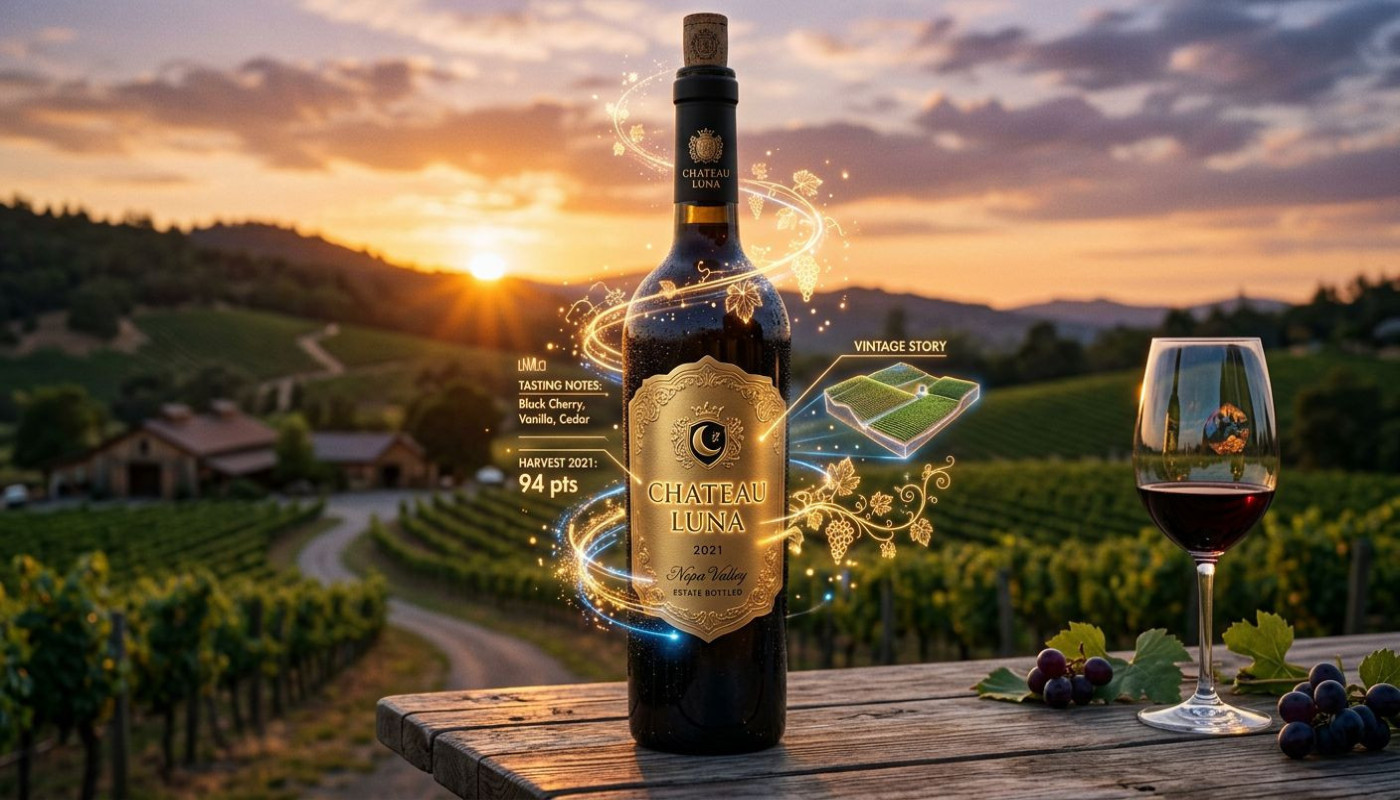
Exclusive digital invitations to limited-release events or private tastings have become highly sought-after among luxury consumers. These initiatives utilize data-driven insights to segment audiences and deliver tailored experiences, cementing the brand's reputation for sophistication and exclusivity. Additionally, technologies like augmented reality labels or 360-degree vineyard walkthroughs are used to craft interactive wine content that captivates tech-savvy connoisseurs, encouraging them to share their experiences online and amplify brand reach.
Brands aiming to penetrate international markets, such as China, leverage digital platforms to introduce virtual wine events that resonate with a discerning clientele. A practical example is ecommercechinaagency, which assists luxury wine producers in adapting their customer engagement strategies for the Chinese market, ensuring their interactive wine content meets the expectations of an emerging premium wine audience. This approach demonstrates how immersive engagement in digital marketing is now indispensable for luxury wine marketing worldwide.
Leveraging data-driven insights
The luxury wine sector is increasingly adopting wine market analytics and luxury wine data to fine-tune digital marketing strategies and anticipate evolving consumer preferences. By tracking purchase behaviors through advanced CRM tools, brands gain a detailed understanding of customer journeys and segment high-value clients with precision. Digital marketing insights derived from predictive analytics enable marketers to forecast luxury wine trends, adjust messaging, and tailor offers to fit the nuanced tastes and expectations of affluent consumers. Utilizing wine customer analytics, campaigns can be optimized in real time, allocating resources where they generate the highest return and ensuring that marketing efforts deeply resonate with targeted audiences. This data-driven approach not only increases the efficiency of digital campaigns but also positions brands to proactively respond to shifts in consumer demand, driving sustained success in the competitive luxury wine market.
Building online wine communities
Digital platforms now serve as vibrant hubs for bringing together luxury wine enthusiasts, offering experiences that transcend traditional marketing. A luxury wine community manager leverages community management techniques to create exclusive wine platforms where members connect, share insights, and access curated content. These include initiatives like digital wine clubs, which offer rare tastings, private events, and behind-the-scenes insights, as well as member-only forums designed to cultivate discussion among serious collectors and connoisseurs. In this context, influencer collaborations introduce these communities to broader audiences, showcasing the unique value of belonging to a premium network.
Online wine community development focuses on nurturing an atmosphere where members feel a true sense of belonging. Through strategic community management, luxury brands can provide tailored experiences such as live virtual tastings, Q&A sessions with winemakers, and early access to limited releases. This targeted engagement helps deepen connections between members and brands, encouraging recurring participation and advocacy. The result is a digital wine club model that not only connects individuals with similar interests but also elevates the exclusivity often associated with the luxury wine sector.
An exclusive wine platform supported by robust community management is instrumental in reinforcing wine brand loyalty. By facilitating direct communication between brands and their audience, and by rewarding member engagement with unique benefits, brands ensure that luxury wine enthusiasts remain invested in both the product and the experience. Such online communities are rapidly reshaping the landscape of the luxury wine market, making it possible for brands to foster lasting relationships and maintain a competitive edge in an increasingly digital world.
On the same subject

How Cities Use Consultations To Manage Demographic Shifts

From Headlines To Handshakes: Why Up-to-date News Drives Better Business Decisions

Assessing The Economic Viability Of GPT Chatbot Deployment In Small Businesses

The Impact Of Online Sports Betting On The Chilean Economy

The Economic Impact of First Deposit Bonuses in the Online Casino Industry
